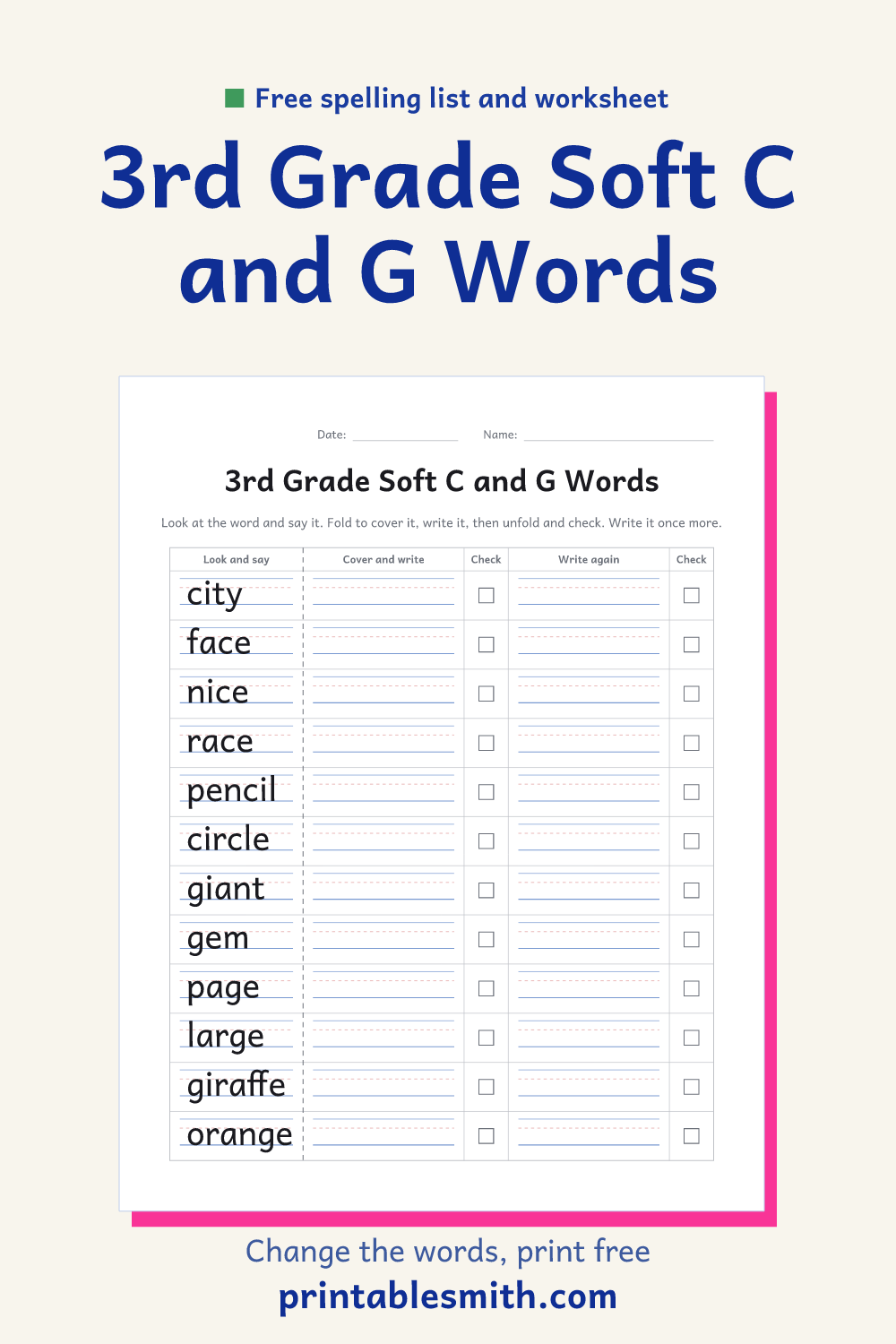
The words on this list
- city
- face
- nice
- race
- pencil
- circle
- giant
- gem
- page
- large
- giraffe
- orange
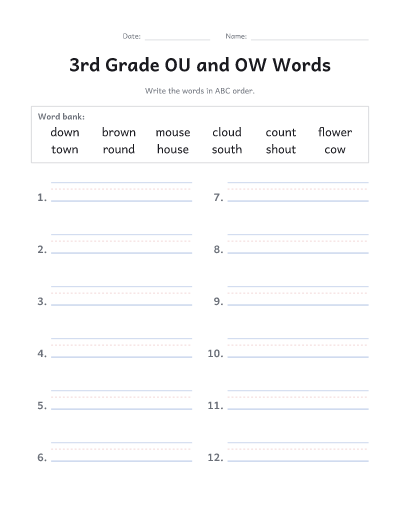
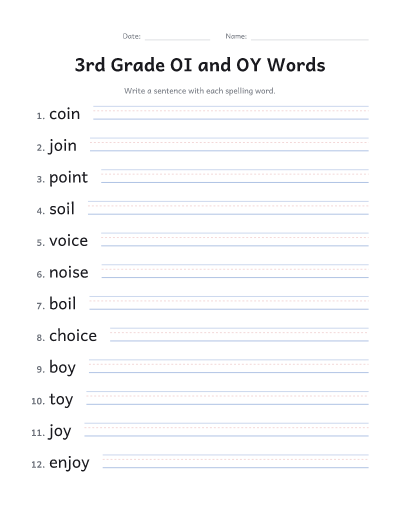
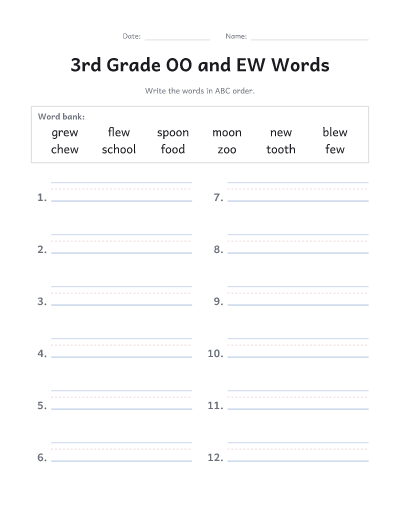
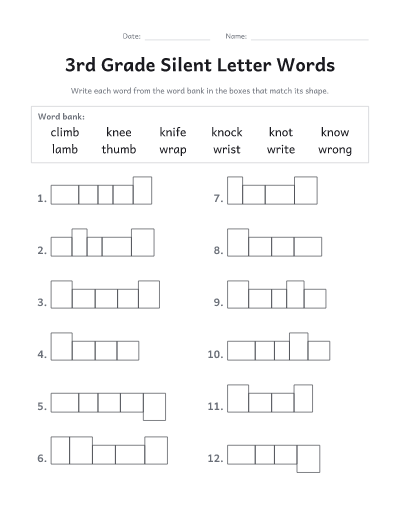
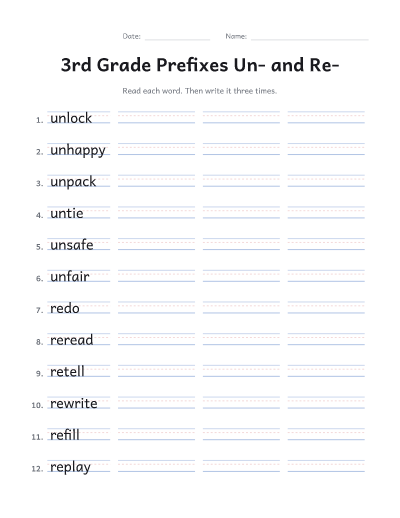
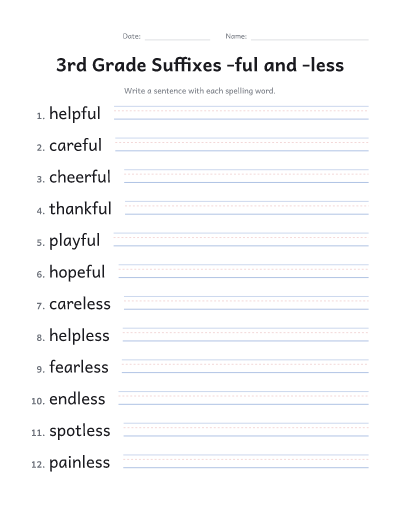
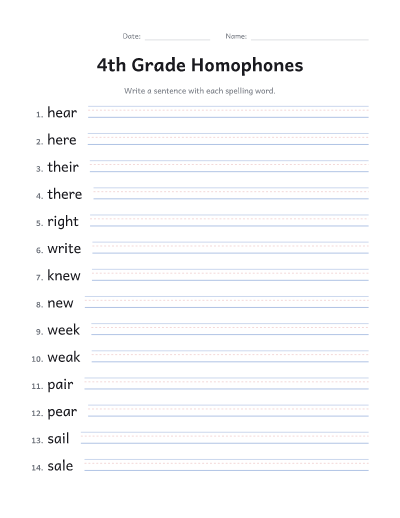
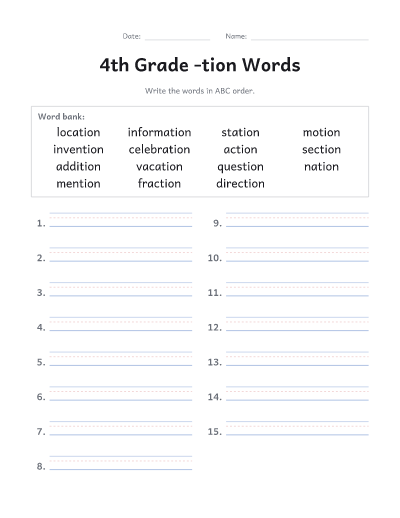
Any word can be changed above before you print, and the same list prints as any of the six sheets: a test, ABC order, word shapes and more.
Practicing these words all week? Make a spelling week from this list: a sheet for each school day, from a word search on Monday to a test on Friday.
How to spell words with a soft c or a soft g
Six words where c sounds like s and six where g sounds like j: city, face, pencil; giant, page, orange. Behind both is one rule: c and g turn soft when e, i or y comes right after them.
- Look at the letter right after the c or g.
- If it is e, i or y, the c usually says s and the g usually says j: city, gem.
- If it is a, o, u or a consonant, the c says k and the g says g: cat, gum, glad.
- Soft g is less reliable than soft c: get and give have a hard g before e and i, so learn those by sight.
A week with this list
- Monday: Work through the look, say, cover, write, check sheet this page starts with, naming the letter after each c or g before folding.
- Tuesday: Sort the words into soft c and soft g, and write the vowel that follows each c or g in a third column.
- Wednesday: Play hard or soft: say cent, cup, gym and game, and children hold up a card with s, k, j or g.
- Thursday: Switch to Sentences; giraffe, orange and circle make a picture story easy.
- Friday: Give the Spelling test and ask children to explain the c in pencil.
Mistakes to watch for
- Writing s for soft c. Sity, fase, pensil. The letters fit the sound but not the word. These words use c for the s sound before e, i or y; practice them as a group.
- Writing j for soft g. Jiant, paje, larje. At the end of a word, the j sound is never spelled j; it is ge or dge. At the start of a word both spellings happen (jam, gem), so learn giant and giraffe by sight.
- Leaving off the e in face, page and large. Without the e, the c and g turn hard: fac would say fak.
Ideas for using this list
- Circle the letter right after each c or g: it is always e, i or y.
- Compare cat with city and gum with gem to hear the change.
- Ask why circle has one hard c and one soft c.
Save it for later
Pin this sheet to find it again next time, or to share it with another teacher or parent. The link brings them straight to this page, ready to print.
Save to Pinterest