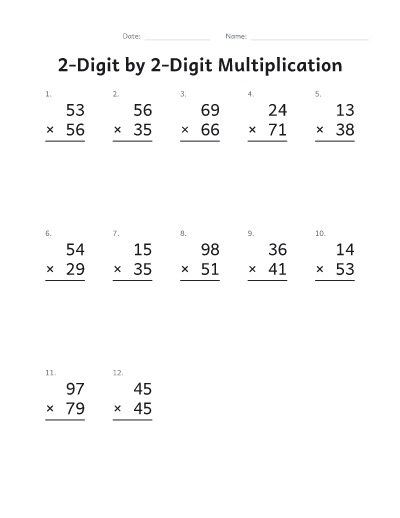
2-digit by 2-digit multiplication
Twelve problems in columns.
Free printable fourth grade math worksheets with answer keys, from big numbers in the fall to fractions in the spring. Make a fresh sheet every time and print it as a PDF.
Twelve problems set out in columns with room to work, and an answer page. Change the sizes in the maker for 3-digit by 1-digit.
Twelve problems in columns.
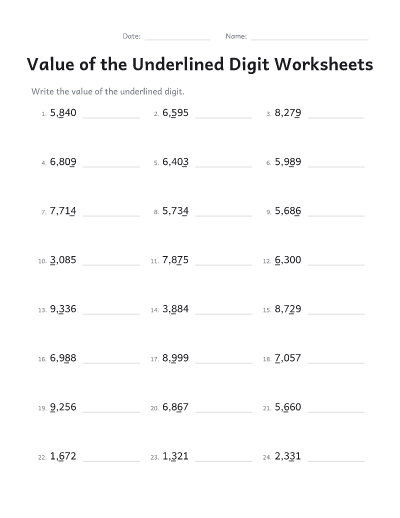
Four-digit numbers.
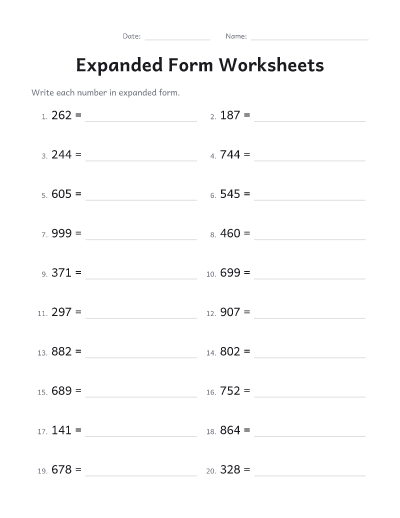
Break numbers into place values.
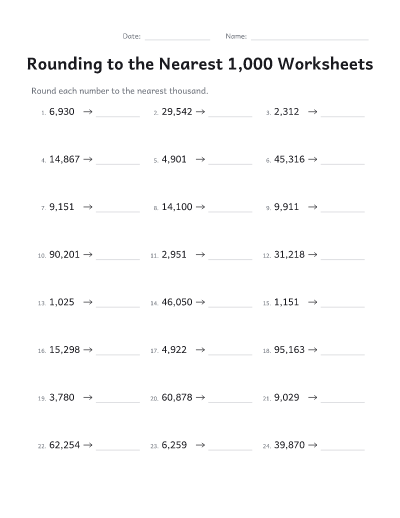
Look at the hundreds digit.
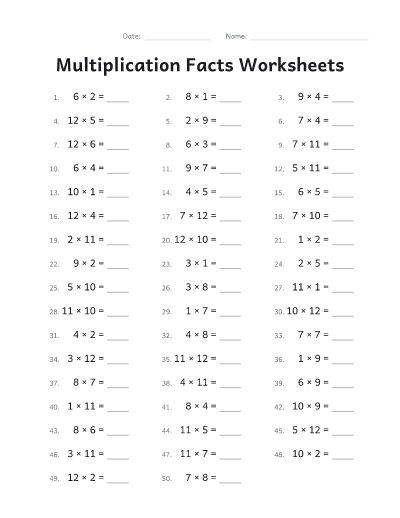
Speed check on every table.
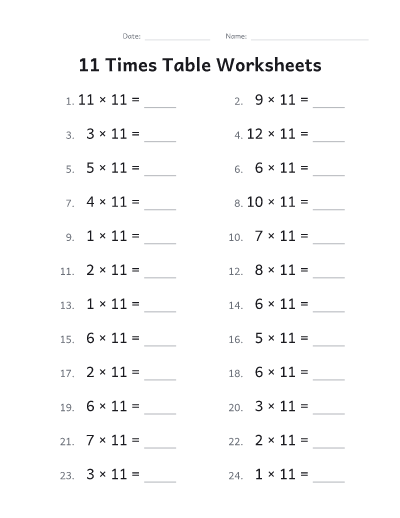
The pattern, and where it breaks.
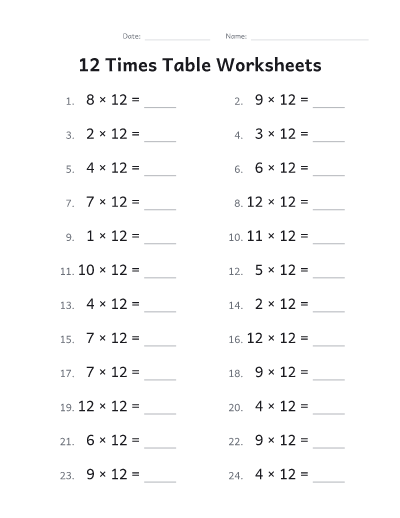
10 times plus 2 times.
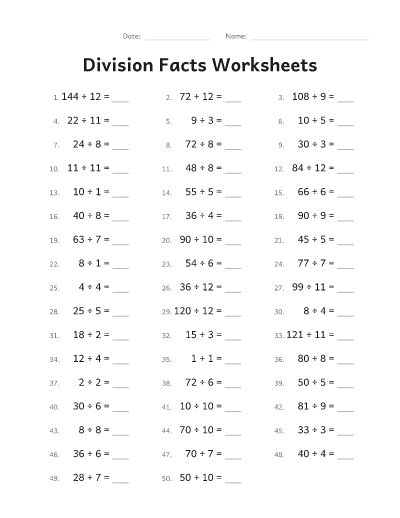
The facts long division leans on.
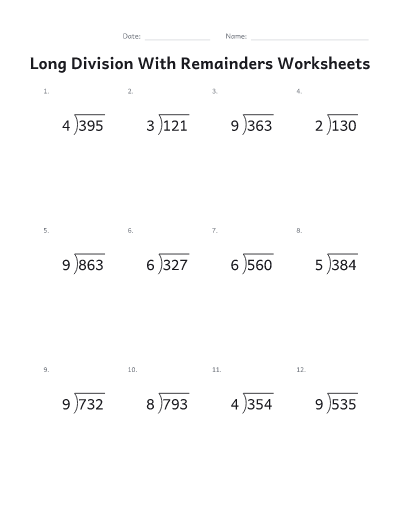
Divide, multiply, subtract, bring down.
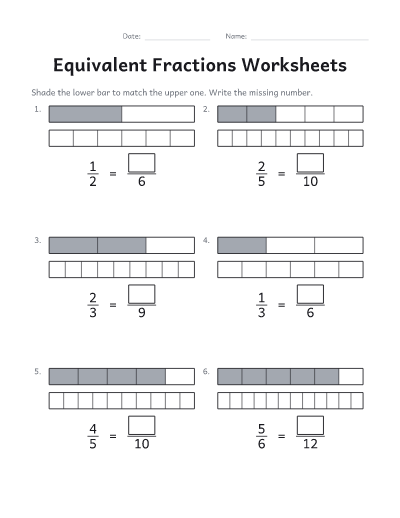
Equal fractions shown with models.
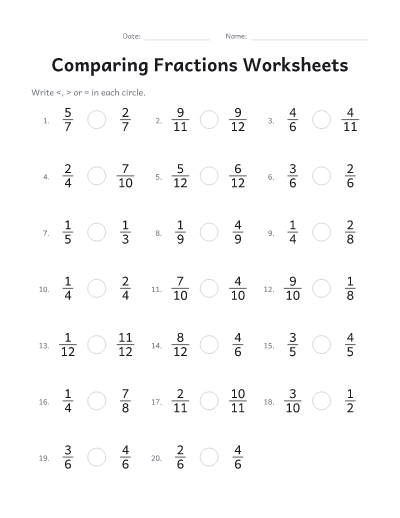
Different denominators too.
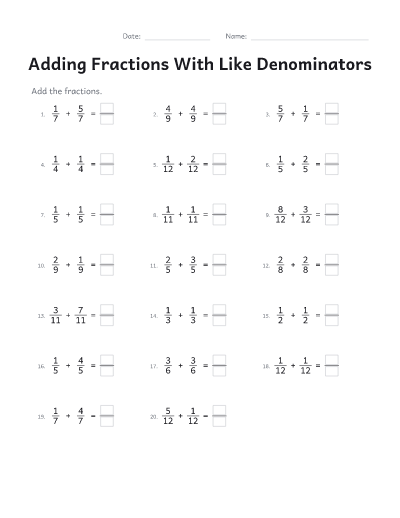
Same denominator, add the tops.
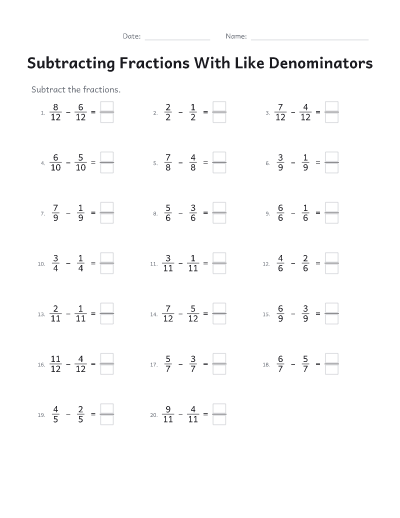
Same denominator, take away.
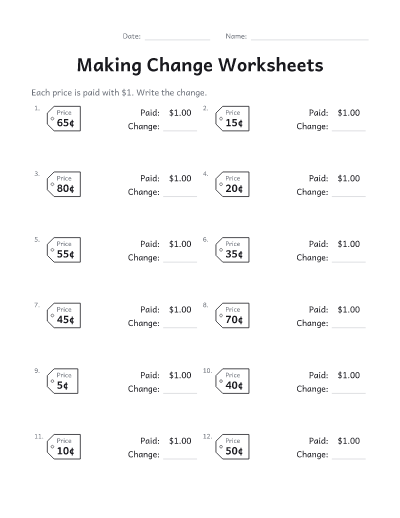
Count up from the price to $1.
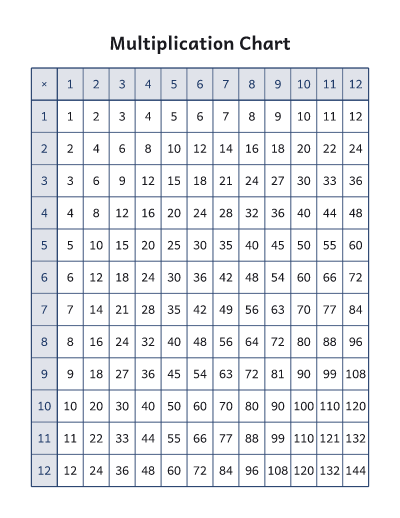
To 12 × 12.
Fourth graders read and write numbers into the hundred thousands and round to any place. The digit sheets here use four-digit numbers and the expanded form sheet three, which is where place value gets practiced before the numbers grow.
Value of the underlined digitExpanded formRounding to the nearest 1,000
By fourth grade the standard column method should be fluent with any number of digits. The two sheets below set both numbers between 1,000 and 9,999.
4-digit addition4-digit subtraction
Fourth graders multiply up to four digits by one digit, then 2-digit by 2-digit numbers. Area models and partial products come before the standard method in many classes; the sheets work with any method, as only the answer is checked.
2-digit by 1-digit multiplication3-digit by 1-digit multiplicationMultiplication facts
Many classes finish the tables to 12 this year and use them to find factor pairs and multiples. Fact families to 12 show both directions at once.
11 times table12 times tableFact families to 12Multiplication chart
Fourth graders divide numbers up to four digits by a one-digit number and say what the remainder means. Divide, multiply, subtract, bring down: say the steps aloud on the first few problems. Slow division facts are the most common reason it goes wrong.
Division factsLong division with remaindersLong division, 3-digit answers
Multiply the top and the bottom by the same number and the fraction keeps its size: 3/4 is 6/8. That is the key to comparing fractions with different denominators, which fourth graders do with a common denominator or by comparing each to 1/2.
Equivalent fractionsEquivalent fractions, missing numberComparing fractions
When the bottom numbers match, add or take away the top numbers and keep the bottom. The usual mistake is adding the denominators too: 1/5 + 2/5 is 3/5, not 3/10.
Adding fractionsSubtracting fractionsFraction strips
Money problems in fourth grade mix operations: buy three things, pay with a bill, how much change? The change sheets build the counting-up habit that makes those quick.
Making change from $1Change from $5
By the end of fourth grade, most children add and subtract multi-digit numbers fluently, multiply up to four digits by one digit and two digits by two, divide by a one-digit number with remainders, and work with equivalent fractions, comparing them and adding those with the same denominator. Decimals in tenths and hundredths, angles and measurement are also fourth grade topics; this site does not have sheets for them yet.
Place value and rounding with large numbers, multi-digit multiplication, long division by one digit, equivalent fractions, adding and subtracting fractions with like denominators, decimals to hundredths, angles and measurement.
Long division and 2-digit by 2-digit multiplication, because each step depends on quick facts and careful lining up. Fractions with different denominators come close.
Yes. Fourth graders divide up to four-digit numbers by one-digit numbers, with remainders. Dividing by two-digit numbers is a fifth grade skill.
Split the second number into tens and ones: 34 × 26 is 34 × 20 plus 34 × 6. An area model draws that as a rectangle cut in parts; the column method writes the same two rows and adds them.
Only its first steps: finding a missing number in an equation, number patterns and rules like "add 4 each time". Formal algebra comes in middle school.
Yes. Each PDF prints the answer key after the sheet, including the remainders on long division.

Count up to five pictures and write how many.
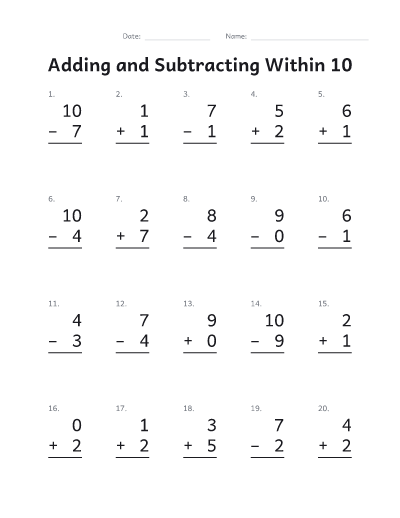
Plus and minus mixed, numbers to 10.
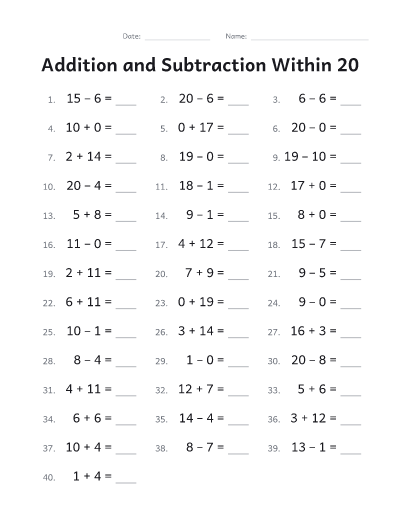
Plus and minus mixed, numbers to 20.
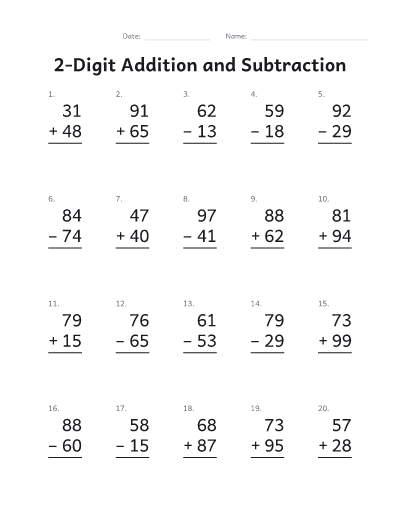
Mixed, some with regrouping.
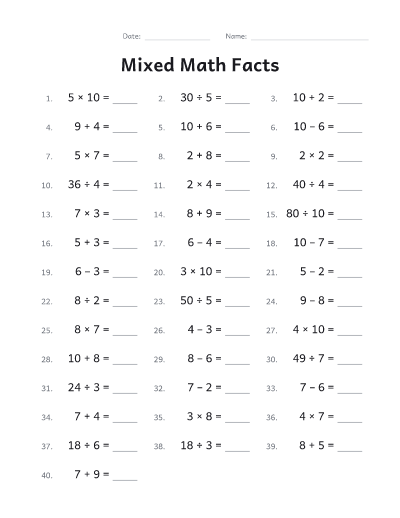
All four operations, numbers 2 to 10.
Math worksheets by skill4th grade spelling wordsDivision flash cards