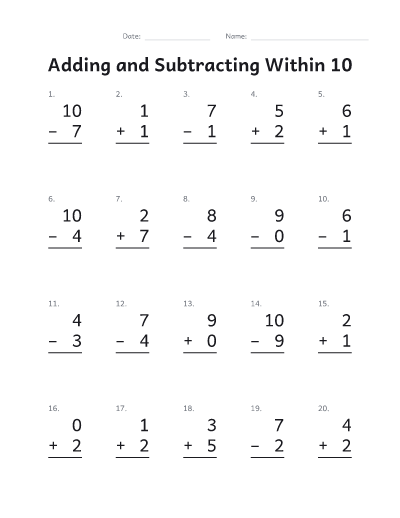
Adding and subtracting within 10
Plus and minus mixed, numbers to 10.
Free printable kindergarten math and reading sheets, in the order of the school year. Every worksheet from the math maker is new each time you make it and has an answer key in the PDF.
Twenty problems with plus and minus mixed, so children read each sign, and an answer page. Change the numbers or the count in the maker.
Plus and minus mixed, numbers to 10.
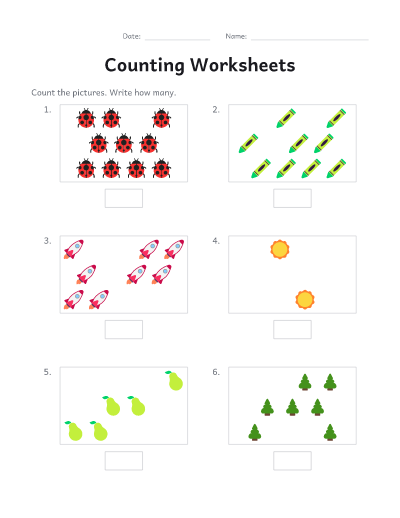
Count the pictures, write the number.
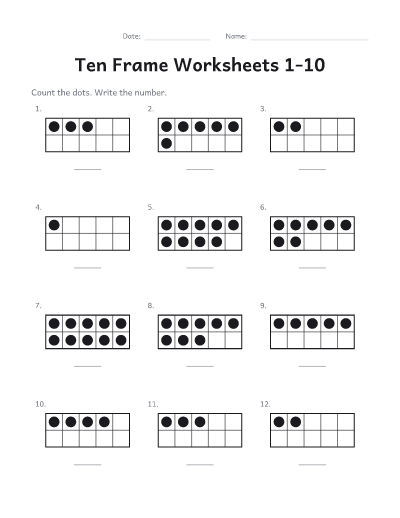
Read a filled frame at a glance.
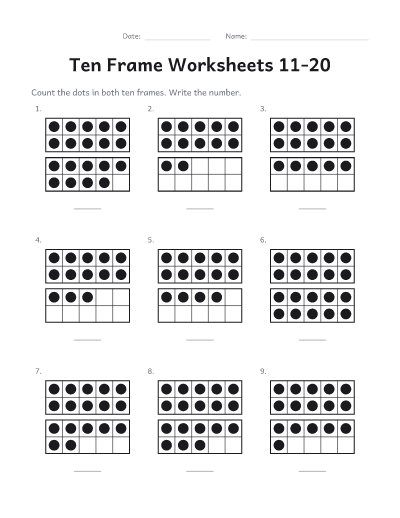
A full ten and some more.
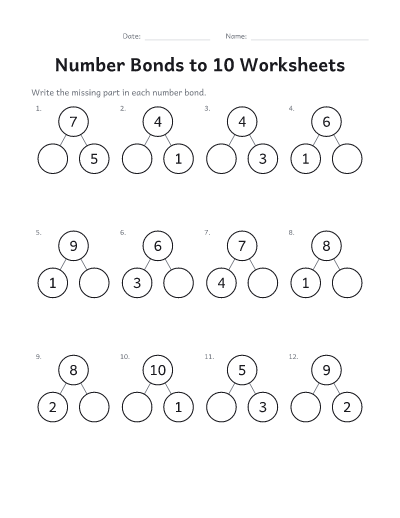
Two parts that make the whole.
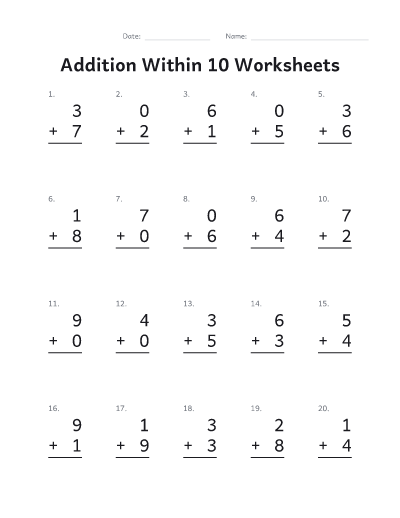
Sums to 10, with an answer key.
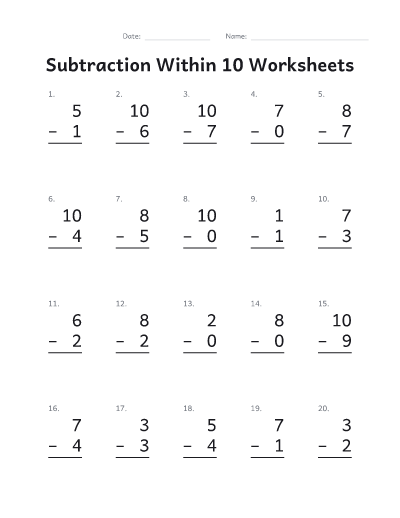
Take away from 10 or less.
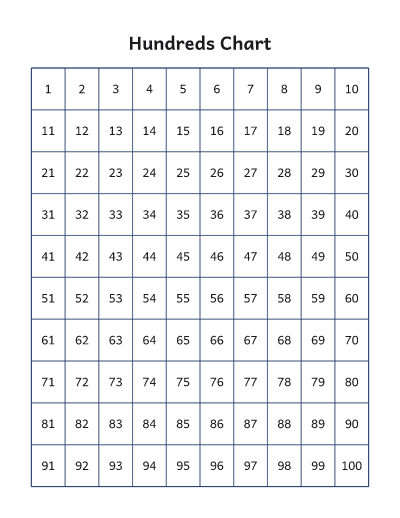
Counting to 100, filled or blank.
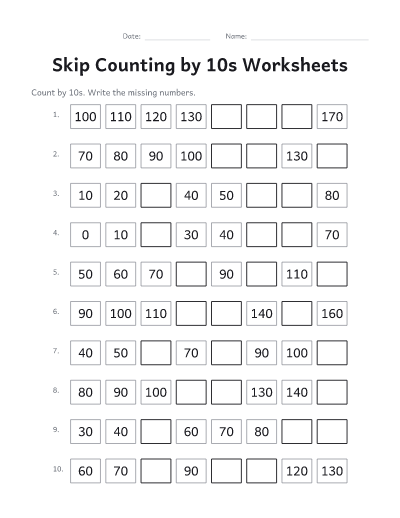
10, 20, 30 and on.
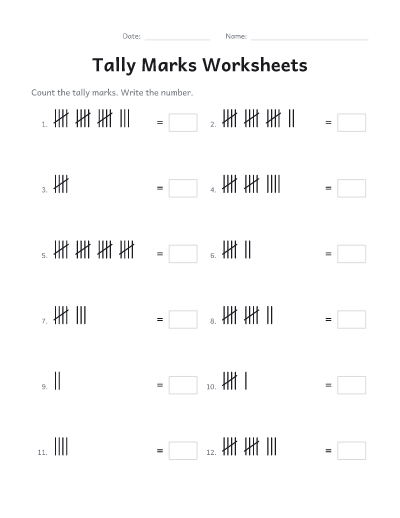
Count marks in bundles of five.
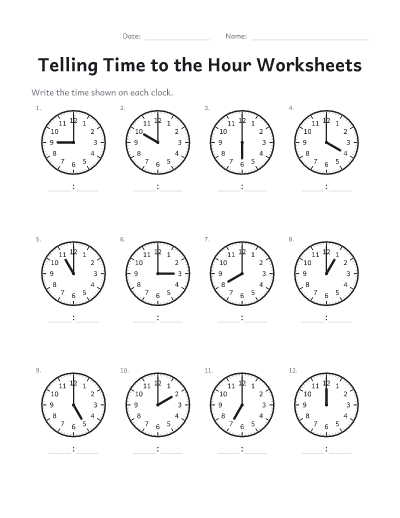
Read o'clock on a clock face.
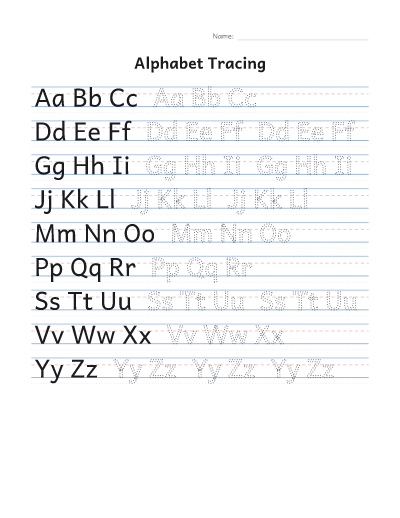
Every letter, capital and small.
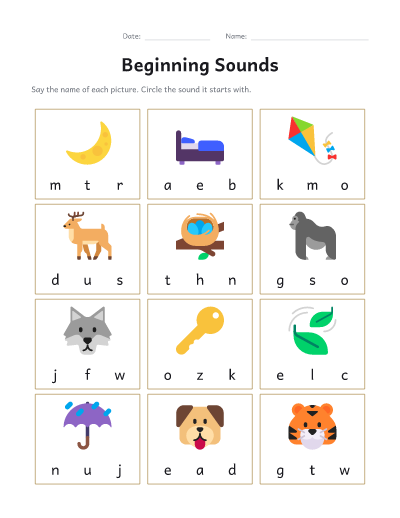
Match each picture to its first letter.
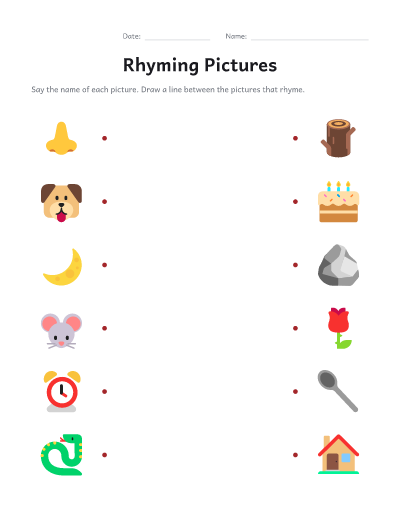
Join the pictures that rhyme.
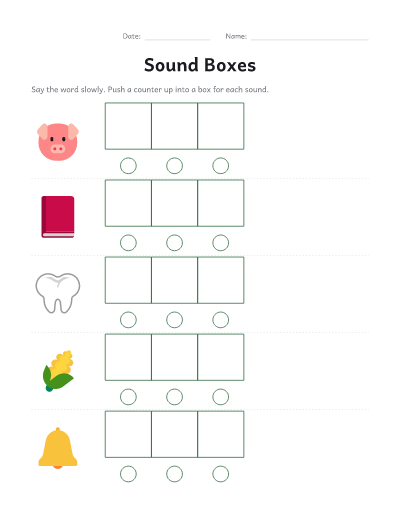
A box for each sound in a word.
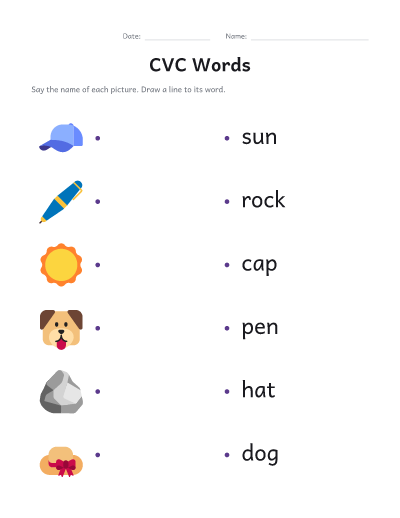
Cat, sun, pig: match picture to word.
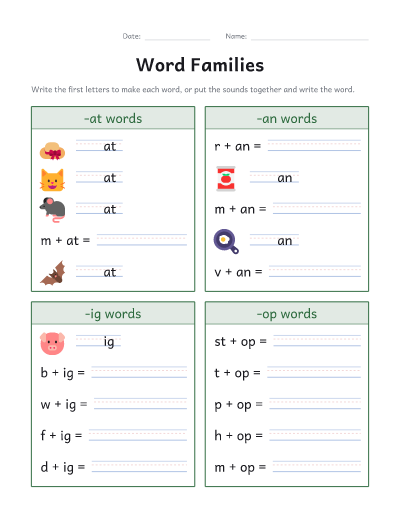
-at, -an, -ig: one ending, many words.
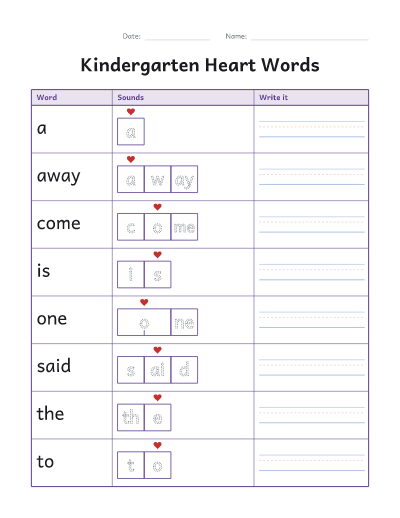
Sight words with the tricky part marked.
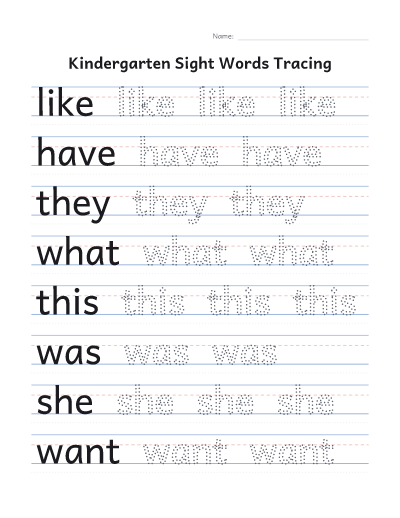
Trace each sight word.
Most US kindergarten classes start with counting and spend the spring on adding and subtracting within 10. The topics below follow that order.
The first weeks are about counting objects one at a time and writing the numeral that goes with the group. Reversed 2s, 5s and 7s are common and fade with practice, so correct them gently.
Counting to 10Count and circleTrace number words
Ten frames show five and ten without counting each dot. Comparing two groups, which has more and which has fewer, follows naturally. When a child can say "seven, because it is five and two", the frame has done its job.
Ten frames to 10Draw the dots in a ten frameWhich group has more?
Fourteen is a ten and four ones. Seeing a full frame and a part-full frame side by side is how kindergarten meets place value, long before the words "tens and ones".
Ten frames 11 to 20Count to 20
Taking a number apart, 10 is 6 and 4 or 7 and 3, is the base of every addition fact later. Number bonds show the whole above its two parts; the make 10 sheet asks how many more fill the frame.
Number bonds to 10Make 10Find the whole
By spring, most classes write addition and subtraction as number sentences. The mixed sheet at the top of this page puts plus and minus on one page, which catches the child who adds every problem without reading the sign.
Addition within 10Subtraction within 10
Counting to 100 by ones and by tens is a kindergarten goal, and a hundreds chart on the wall helps every day. Some classes also add tally marks and reading o'clock at the end of the year.
Hundreds chartCounting by 10sTally marksTime to the hour
Reading starts with hearing sounds in spoken words, then joining those sounds to letters. The sheets below go in that order.
Children trace and then write each letter, capital and small, and their own name. The handwriting paper has the tall lines kindergarten uses, with a dashed middle line.
Trace the alphabetName tracingHandwriting paper
Hearing the first sound of "fish" and the rhyme in "cat" and "hat" are listening skills first; the pictures on the sheets carry the words, so no reading is needed yet.
Elkonin boxes give one box to each sound: c-a-t is three boxes. Once a child can hear the three sounds, short words like cat, sun and pig are ready to read, and word families (-at, -an, -ig) show how changing one letter makes a new word.
Elkonin boxesCVC wordsWord familiesTrace CVC words
Words like "the", "said" and "you" turn up in every book. Heart words mark the part that does not follow the usual sounds, the part to learn by heart, and the rest is sounded out as usual.
Kindergarten heart wordsTrace kindergarten sight wordsSight word bingoSight word worksheets
In math, most children finishing kindergarten count to 100 by ones and tens, write numbers to 20, and add and subtract within 10, with fluency within 5. In reading, they know the sounds of most letters, read simple short-vowel words, and know a few dozen sight words. Many read short, simple books with help; some read far more, and some are still joining sounds, and all of that is within the usual range.
Counting to 100, writing numbers to 20, adding and subtracting within 10, the sounds of most letters, and reading simple words and common sight words.
Most read simple words and short sentences by June, such as "I see a cat." Fluent reading of longer books is a first grade goal, so a child still sounding out each word is on track.
Counting and writing numbers, comparing groups, the teen numbers as a ten and some ones, ways to make 5 and 10, adding and subtracting within 10, and naming shapes. The math parts above follow that order; shapes run alongside all year.
Start with ten objects split into two piles, then a ten frame with some dots filled: how many empty boxes? Number bonds and the make 10 sheet practice the same idea on paper once the objects make sense.
Yes, every worksheet from the math maker prints its answer page after the sheet in the same PDF; you can turn it off in the maker.
Yes. Each sheet downloads as a PDF on Letter or A4 paper, free, with no sign-up. Press New sheet for different problems, and Copy link to keep a sheet you liked.
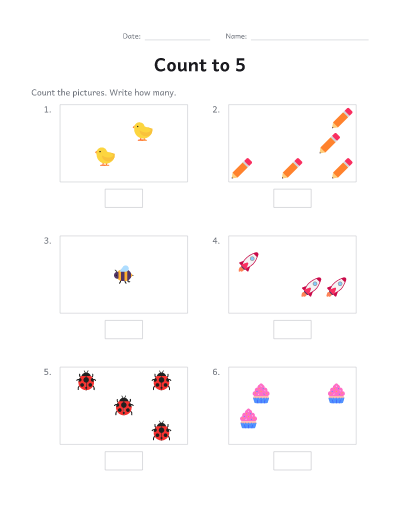
Count up to five pictures and write how many.
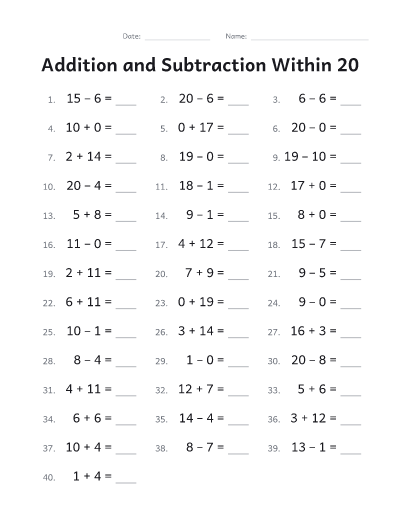
Plus and minus mixed, numbers to 20.
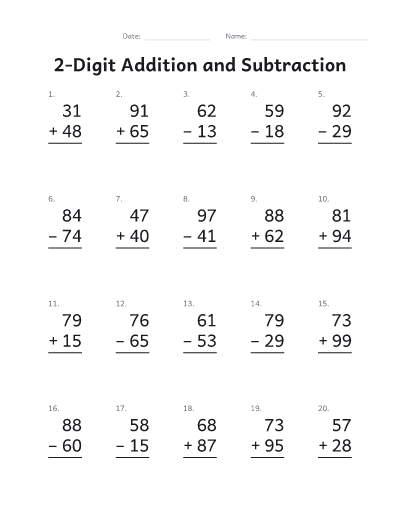
Mixed, some with regrouping.
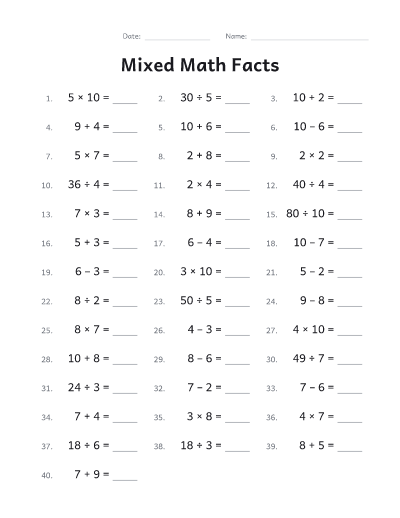
All four operations, numbers 2 to 10.
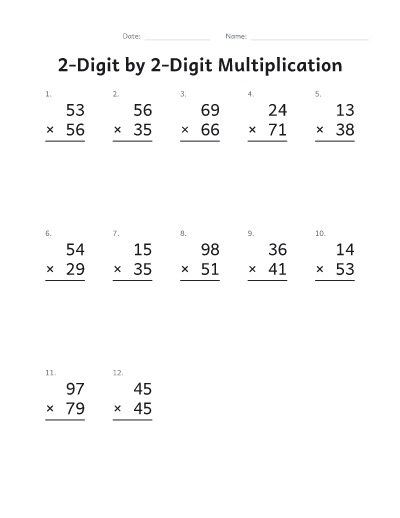
Twelve problems in columns.
Kindergarten sight word packPhonics worksheetsMath worksheets by skill